
The Allure of High-Stakes Gambling
High-stakes casino games attract players with the promise of significant financial rewards, but the psychological pull of these games runs deeper than mere monetary gain. The thrill associated with betting large sums creates a unique cocktail of excitement and tension. In this context, many players often seek the best crypto casino experiences, ensnared by the potential for a life-changing win that drives them to engage in high-stakes wagers that can provoke intense emotional responses.
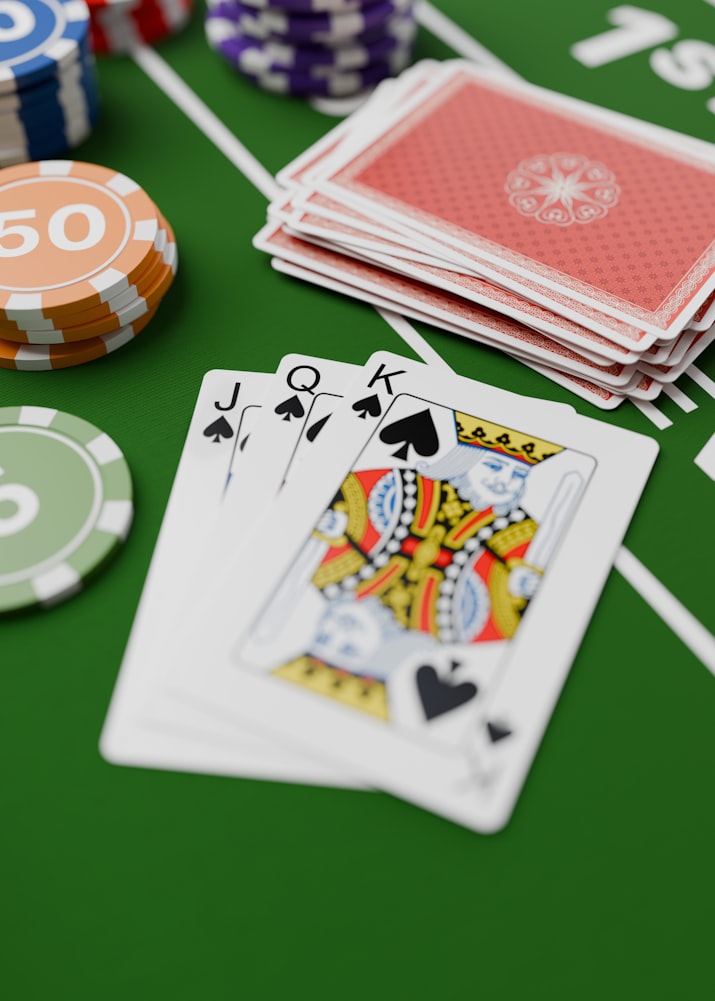
This psychological allure is rooted in our inherent desire for risk and reward. The brain’s reward system activates during moments of high-stakes betting, releasing dopamine, a neurotransmitter that enhances feelings of pleasure and satisfaction. This sensation can become addictive, compelling players to seek more opportunities in hopes of recapturing that euphoric feeling, even in the face of potential loss.
The Role of Adrenaline in Gambling
Adrenaline serves as another powerful factor in the psychology of high-stakes games. When players engage in substantial betting, their bodies produce adrenaline, which heightens awareness and creates a sense of urgency. This physiological response can intensify the overall gambling experience, making victories feel even more exhilarating and losses more devastating. The adrenaline rush can often cloud judgment, leading to impulsive decisions that aren’t always in the player’s best interest.
Moreover, this rush can build a dependency on the high-energy environment of casinos. Players often seek to replicate the adrenaline highs associated with their most intense gambling experiences, leading to repeated visits and increased stakes. This cycle of seeking thrills can have profound implications for emotional well-being, as the highs of victories are often followed by the lows of significant losses.
The Impact of Social Dynamics
High-stakes casino games often involve a social component that amplifies their psychological complexity. The camaraderie and competition among players can enhance the excitement of the gambling experience. Observing others win can provoke feelings of envy or a desire to compete, prompting individuals to raise their bets in hopes of attaining glory in front of their peers.
Additionally, the social environment of casinos, infused with celebratory moments and displays of wealth, can create a sense of belonging among high-stakes gamblers. This community aspect often encourages risky behaviors, as individuals may feel pressure to conform to the betting habits of others. The belief that ‘everyone is winning’ can distort perceptions of reality and foster a sense of invincibility.
The Psychology of Loss and Risk Management
High-stakes gambling is not just about winning; it also involves navigating the complex emotions that accompany loss. The psychological impact of losing significant amounts can lead to a phenomenon known as «loss aversion,» where the pain of losing outweighs the pleasure of winning, influencing future gambling behavior. Players may chase their losses in an attempt to recover financially, often leading to a downward spiral.
Understanding risk management becomes crucial in high-stakes environments. Players need to balance the allure of potential rewards with the psychological toll of losses. Developing strategies for responsible gambling can mitigate the emotional fallout and guide individuals in making informed decisions, ensuring their engagement with these games remains enjoyable rather than detrimental.

Ensuring a Secure Gambling Environment
As the thrill of high-stakes casino games captivates players, it’s important to acknowledge the necessity of a secure gaming environment. Reputable casinos prioritize the security of both their platforms and players, implementing robust measures to protect against fraud and ensure fair play. These efforts aim to create a trustworthy atmosphere where players can indulge in their passion for gambling without fear of exploitation or mishandling of their funds.
Furthermore, responsible gambling initiatives provided by these establishments play a crucial role in promoting awareness and education about the psychological aspects of gambling. By empowering players with knowledge about the risks and the importance of self-control, casinos can foster a safer and more enjoyable gaming experience, allowing individuals to explore the excitement of high-stakes games responsibly.